Closed Stairs, Floor Riser with Stained Skirtboard
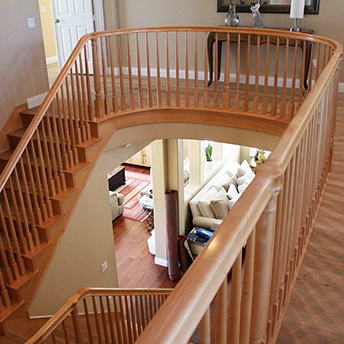
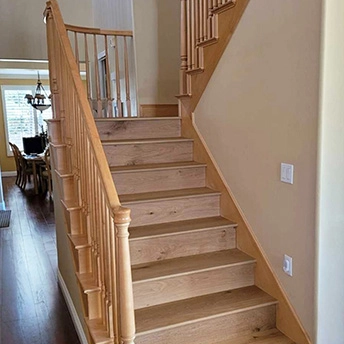
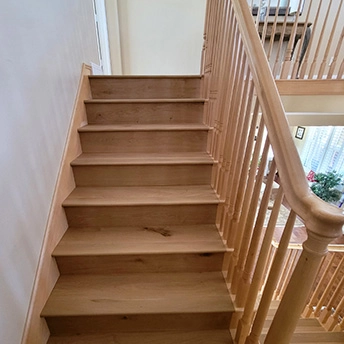
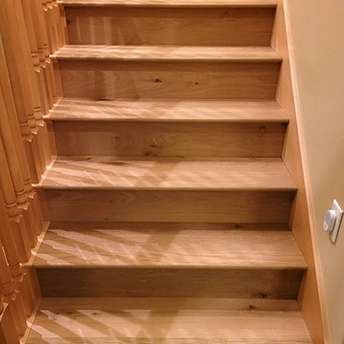
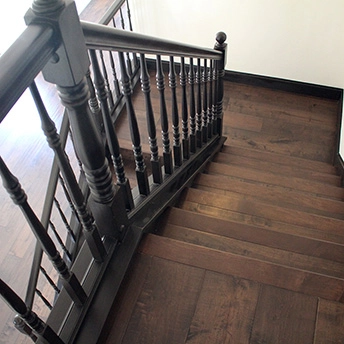
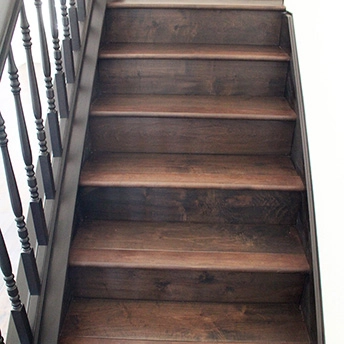
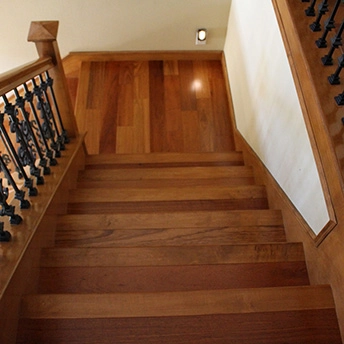
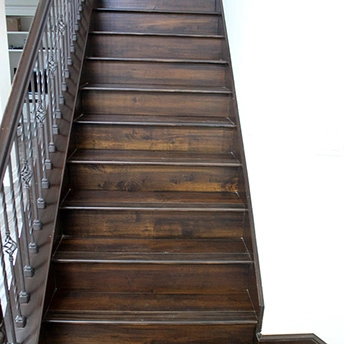
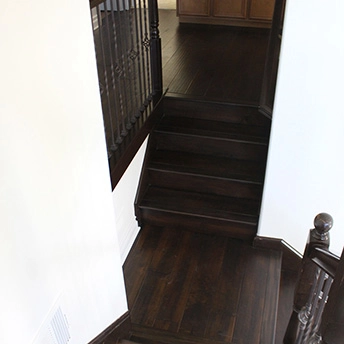
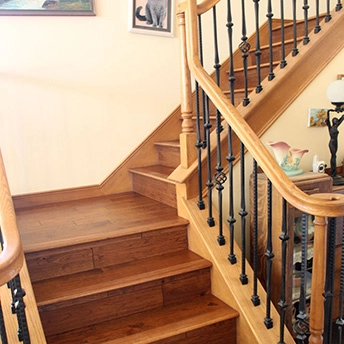
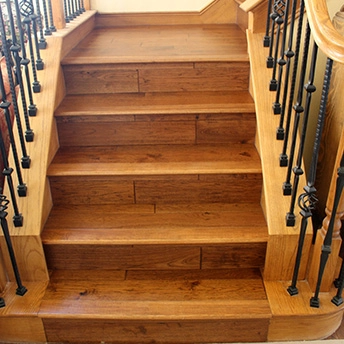
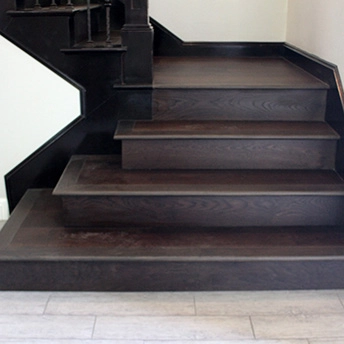
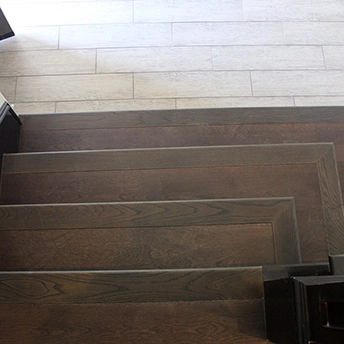
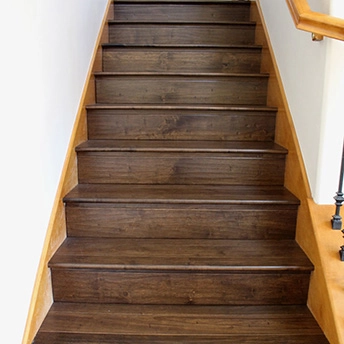
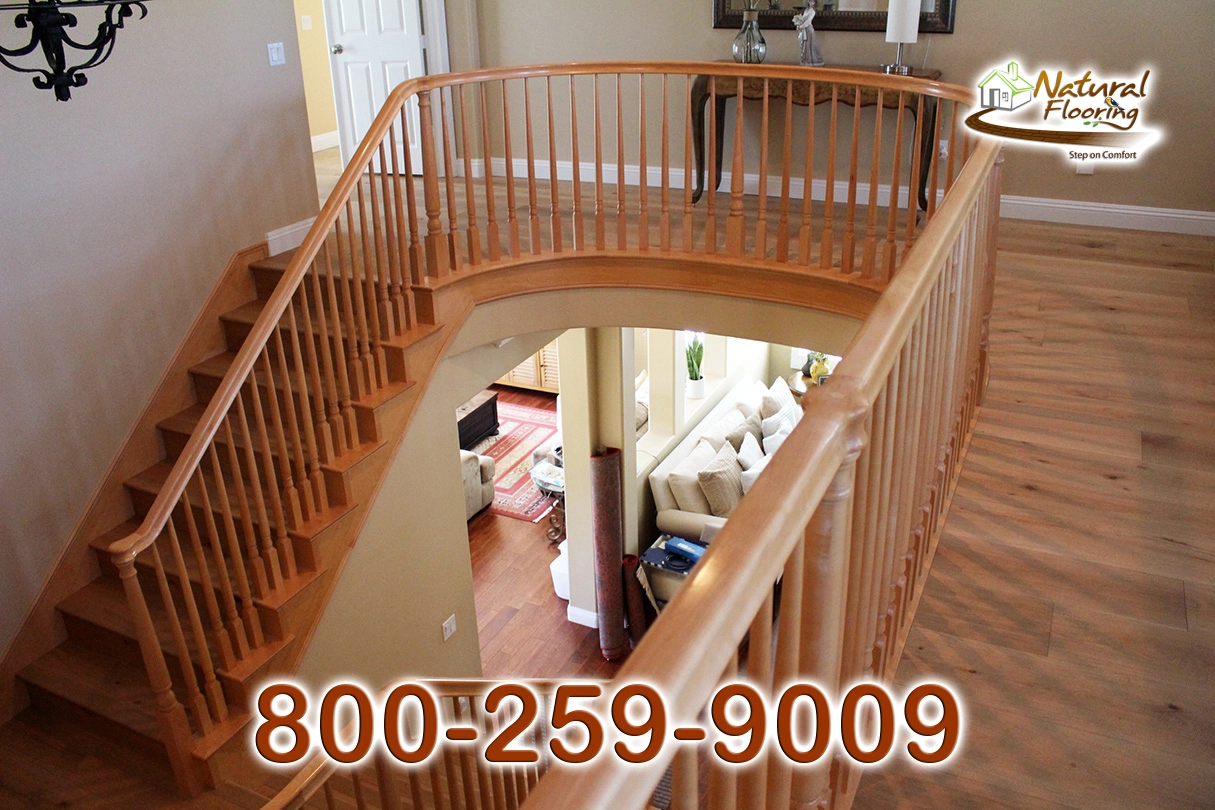
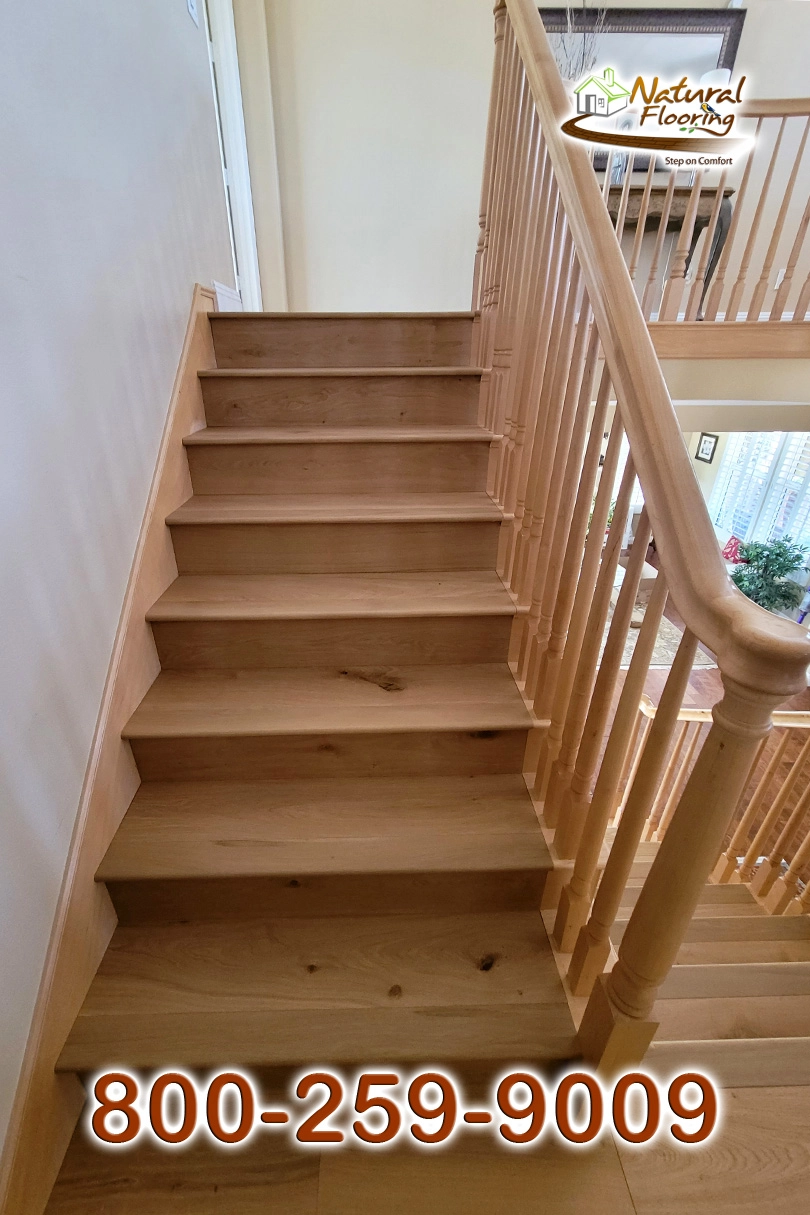
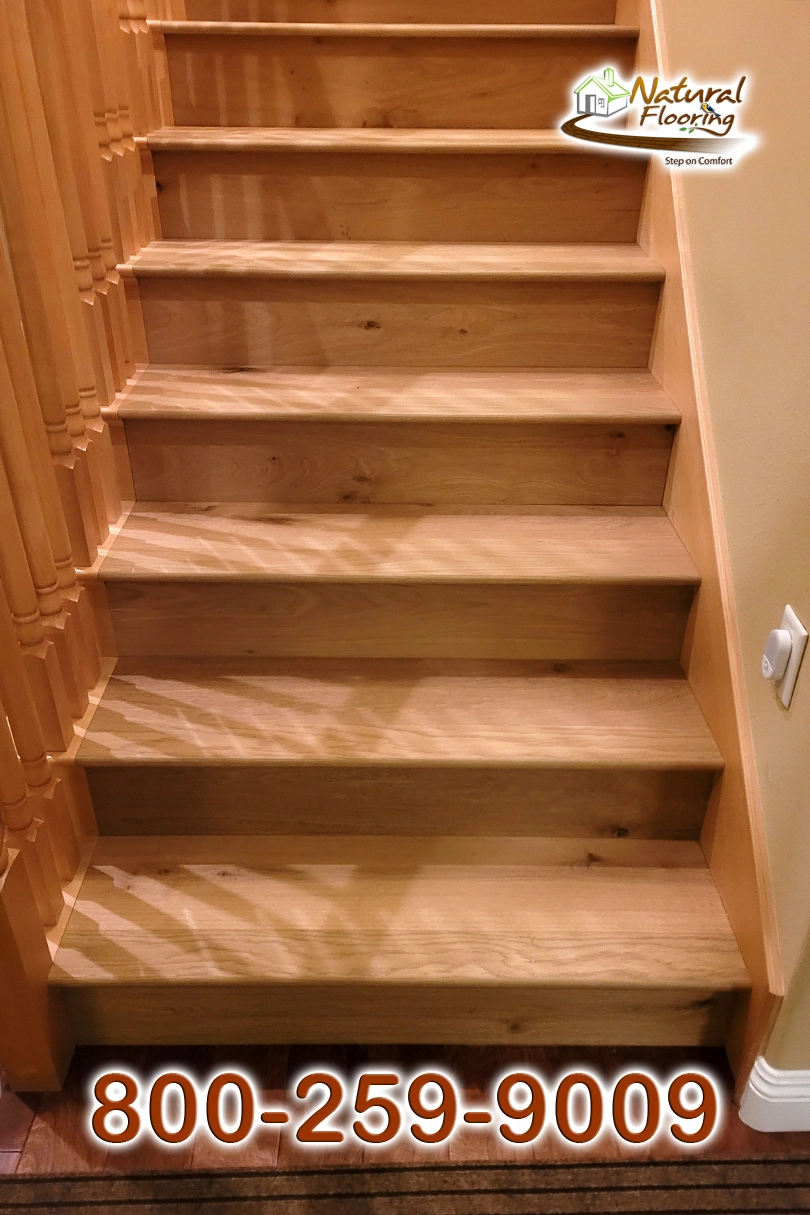
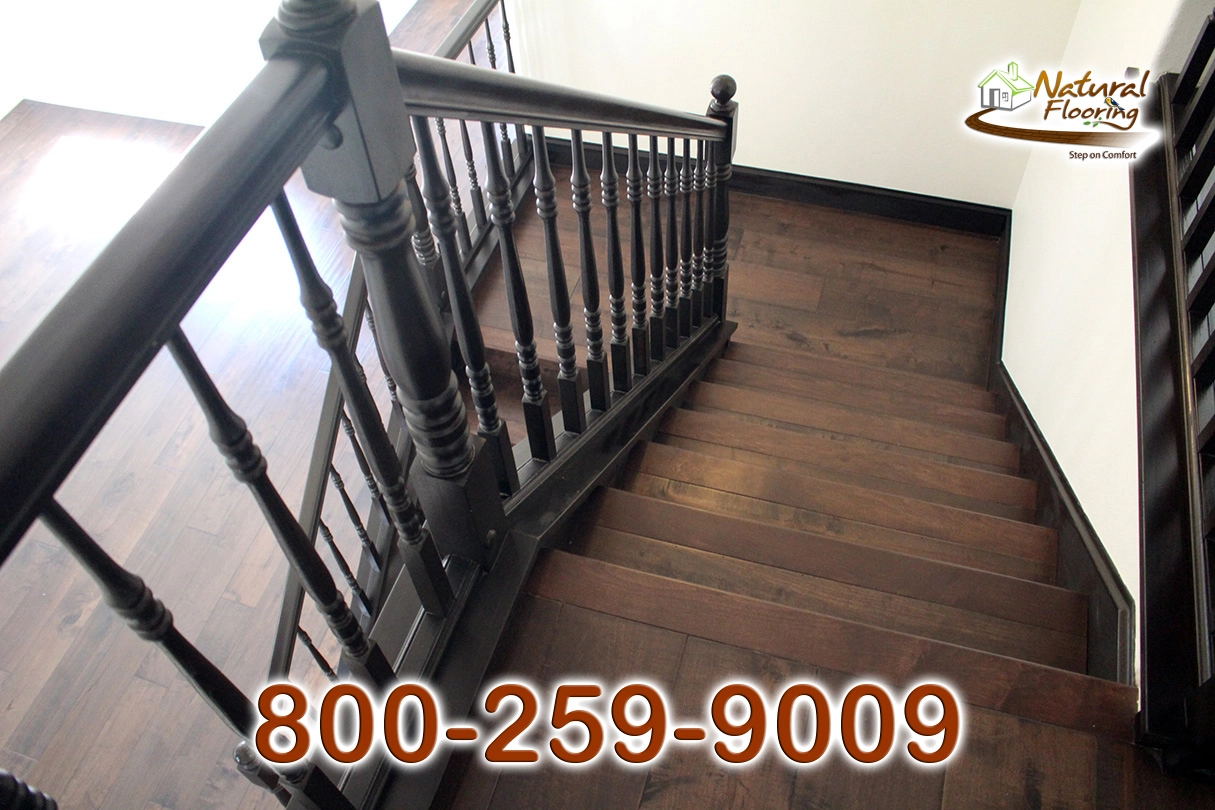
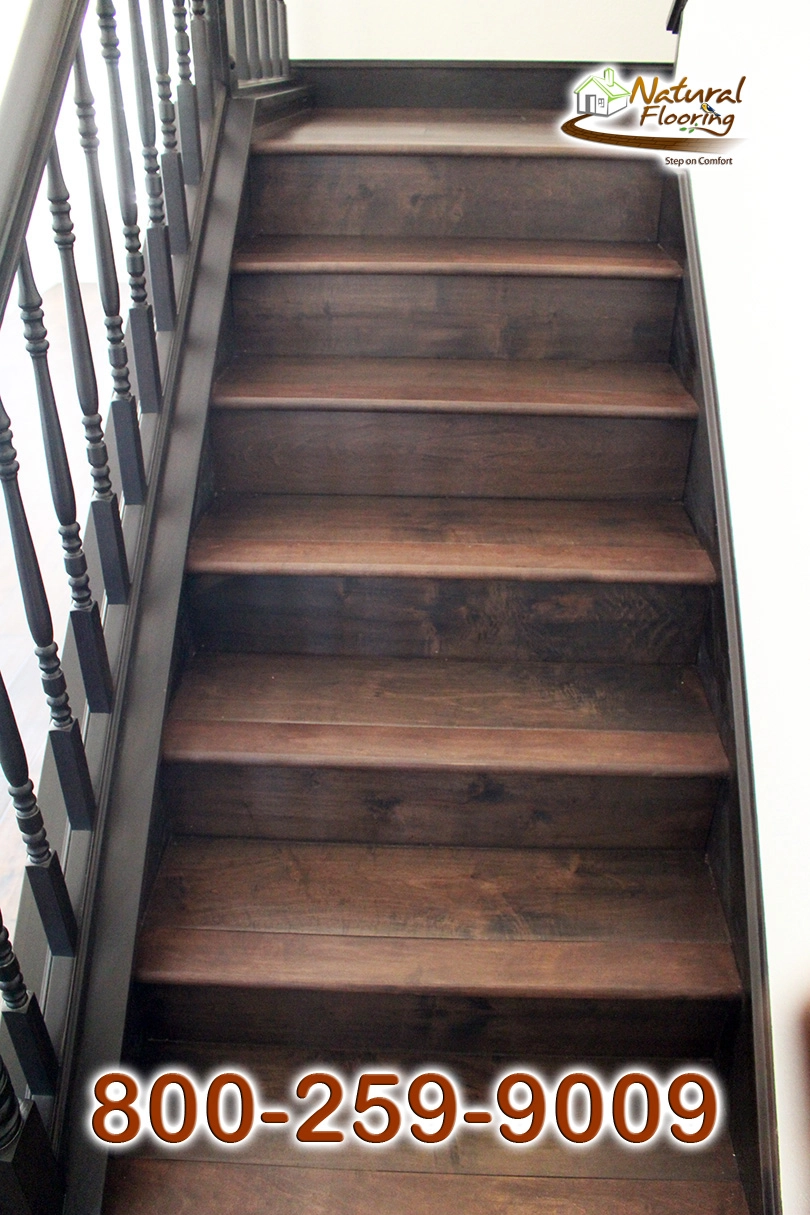
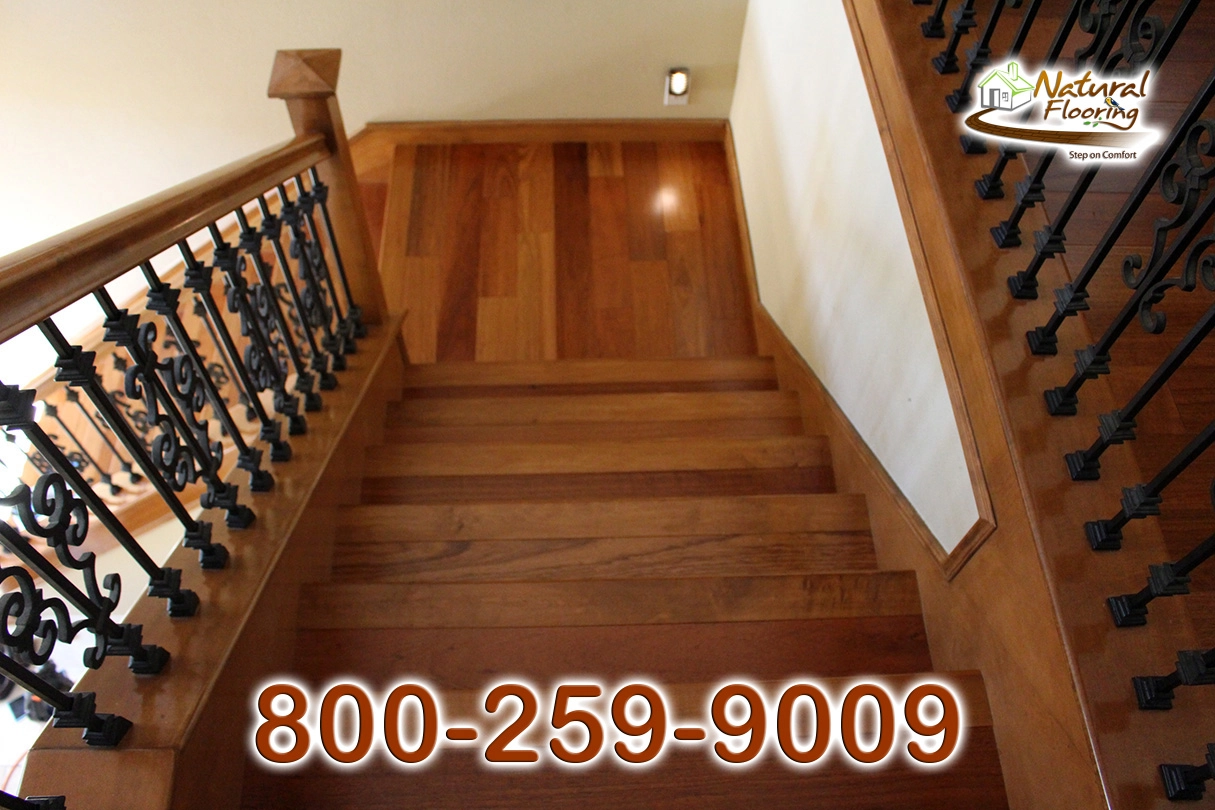
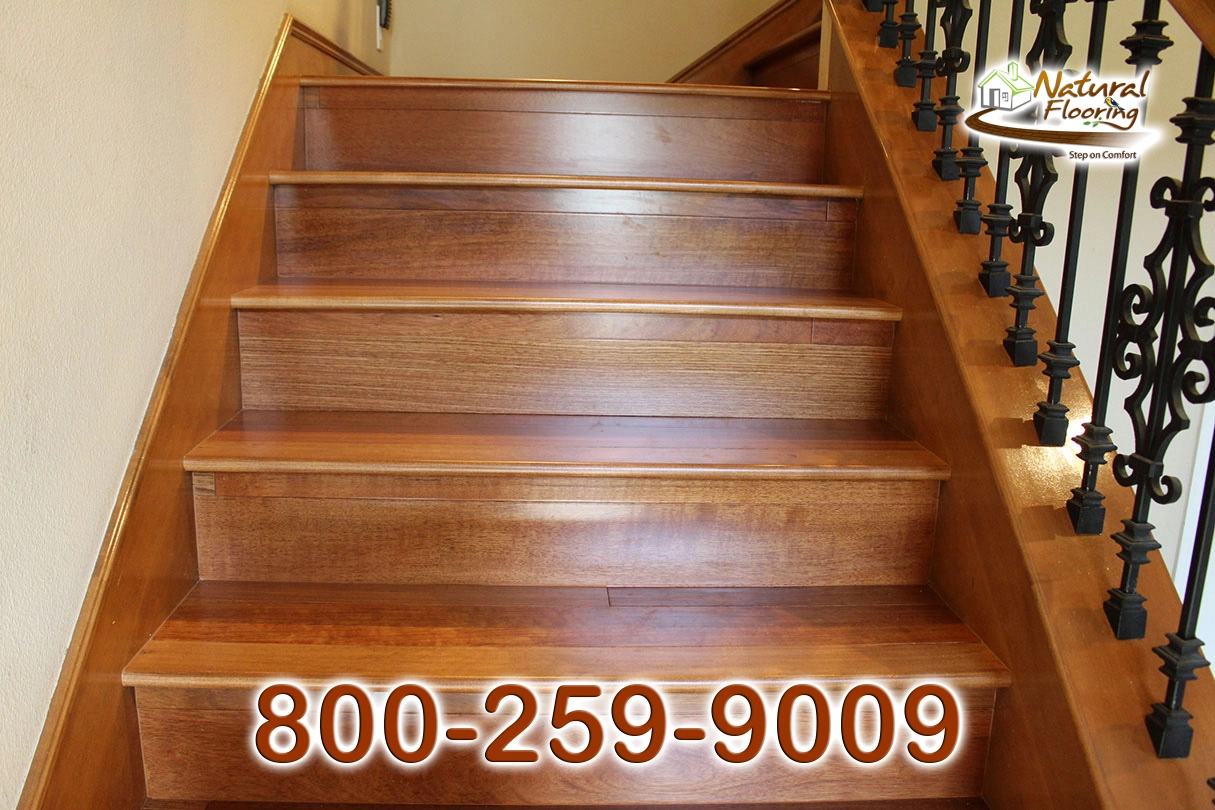
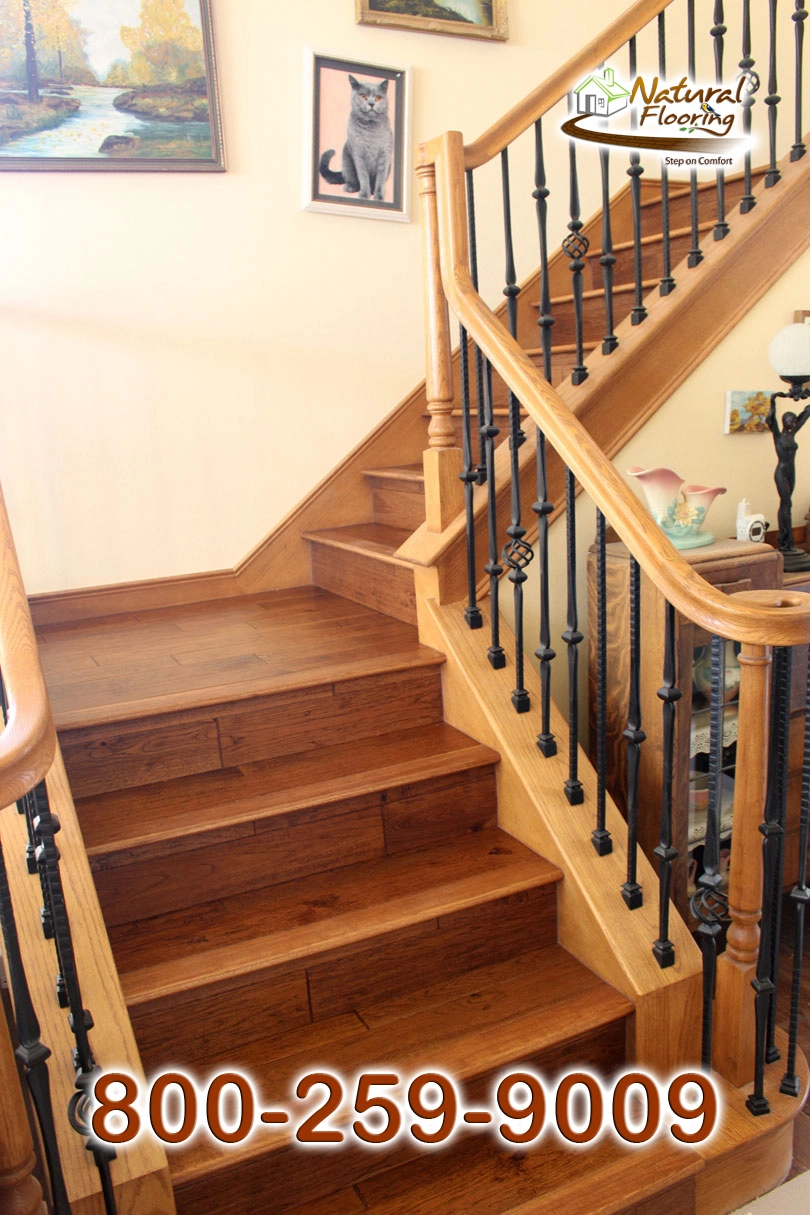
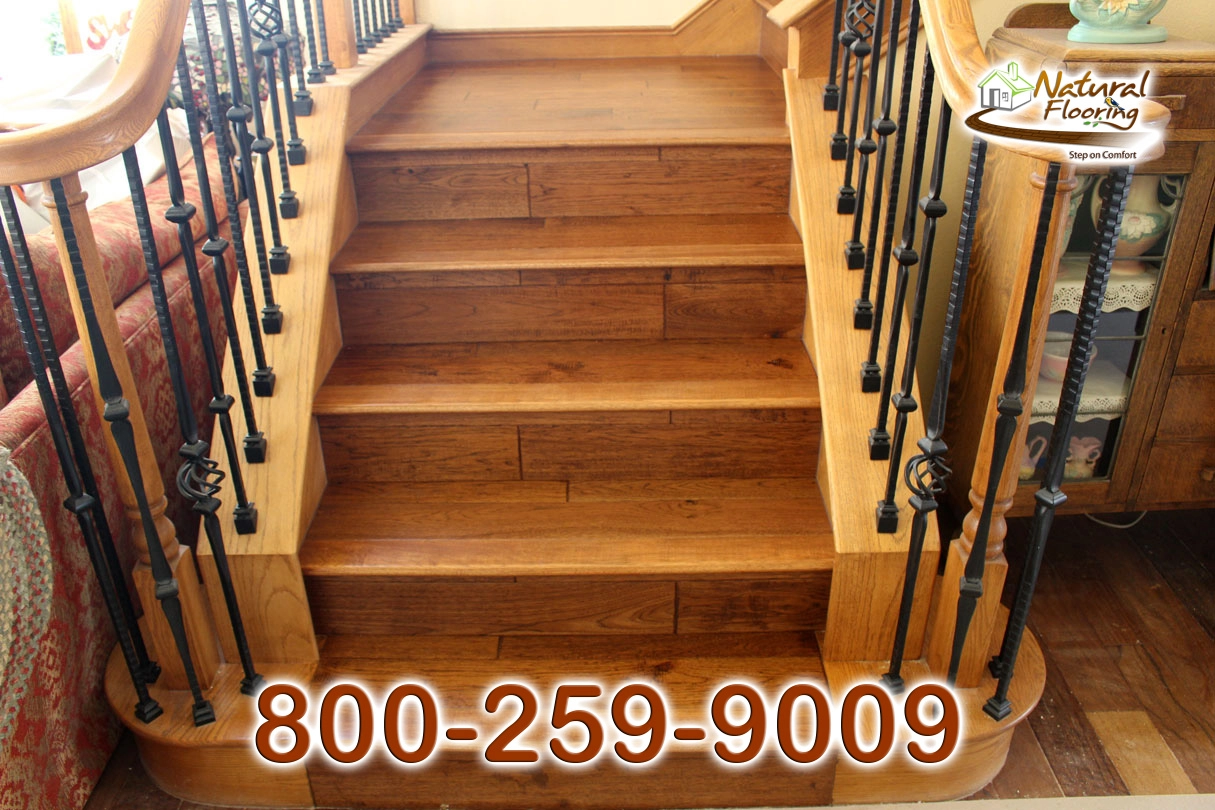
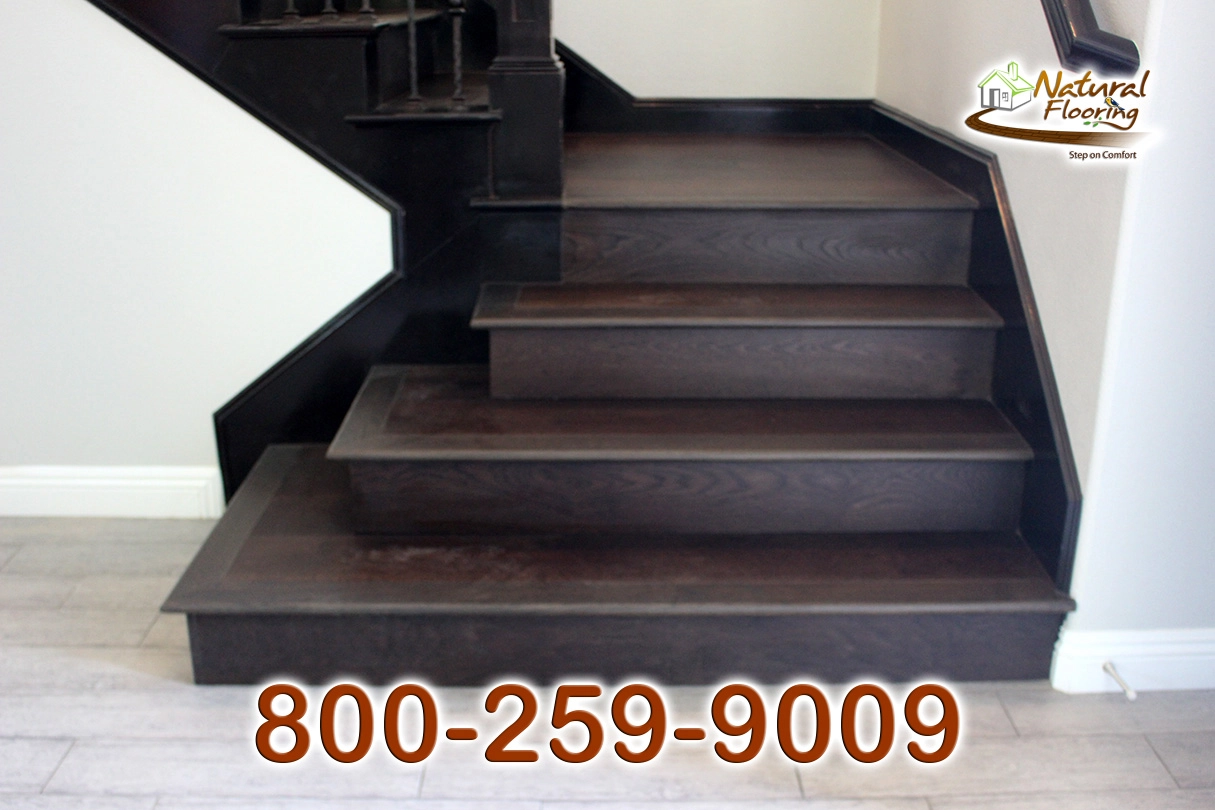
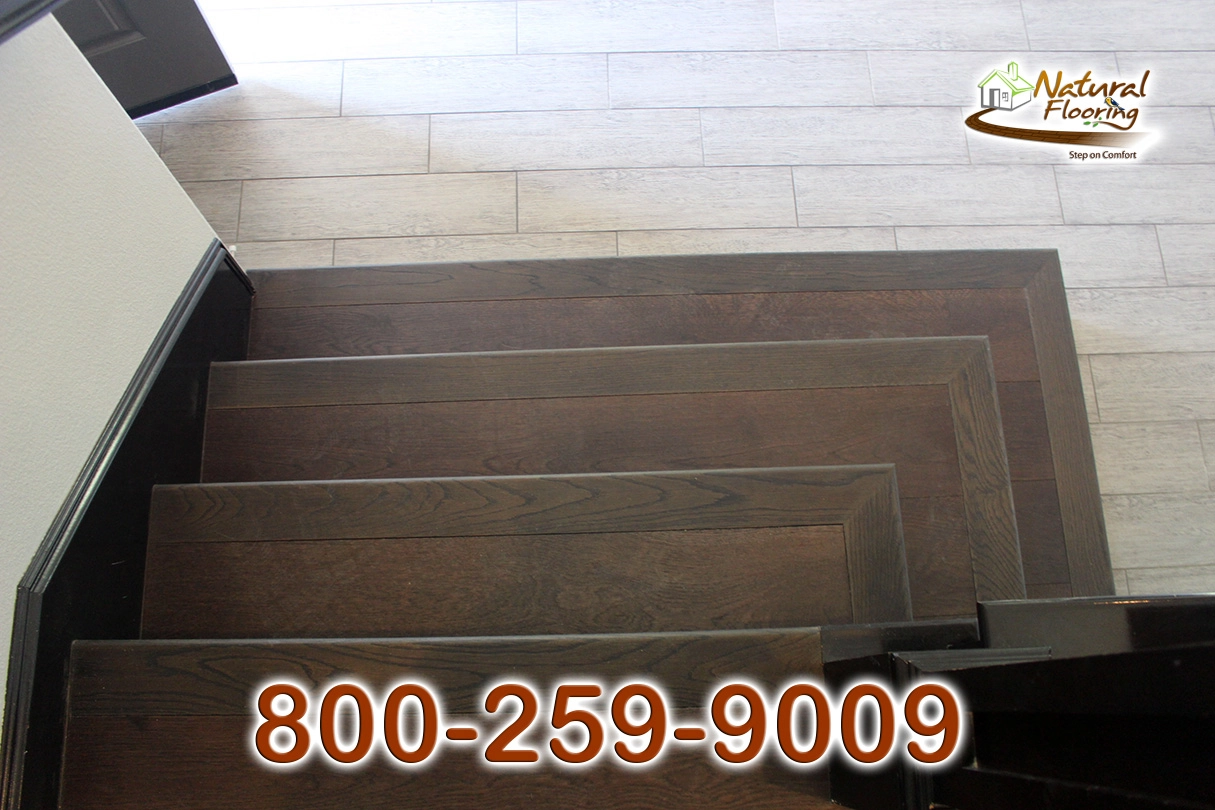
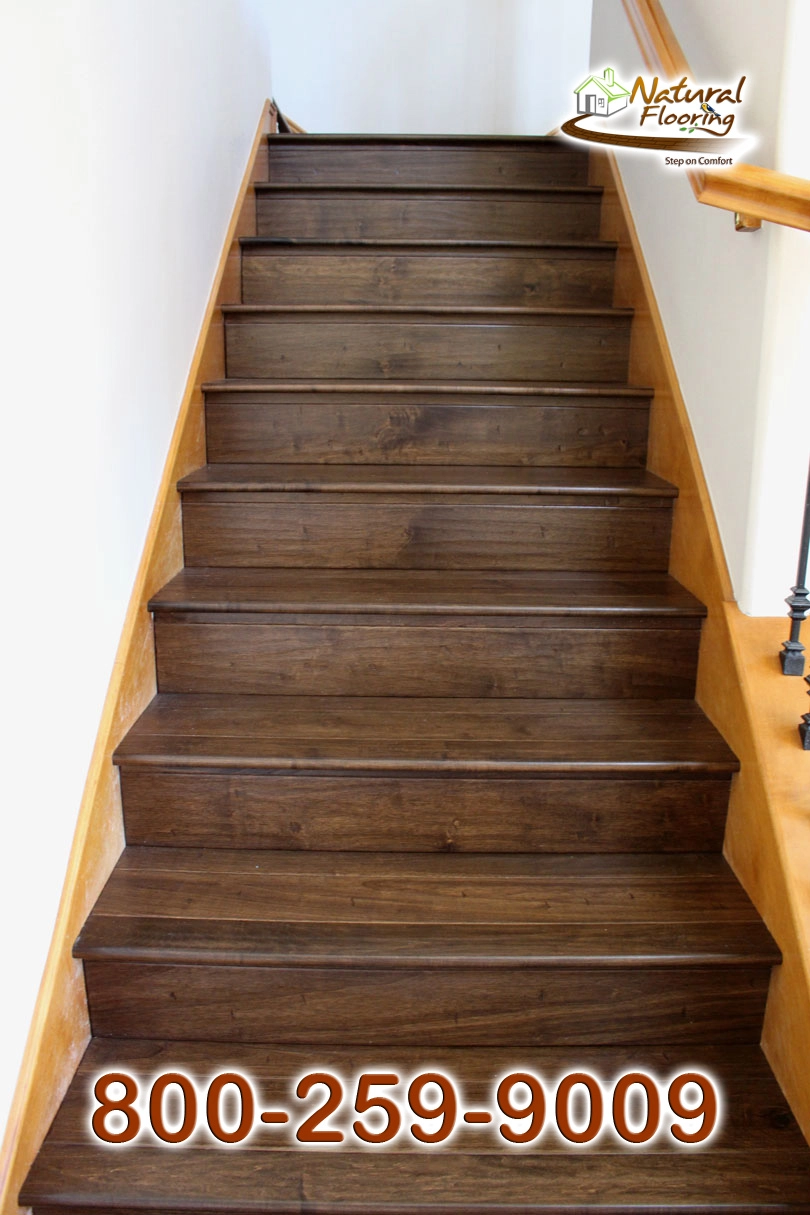
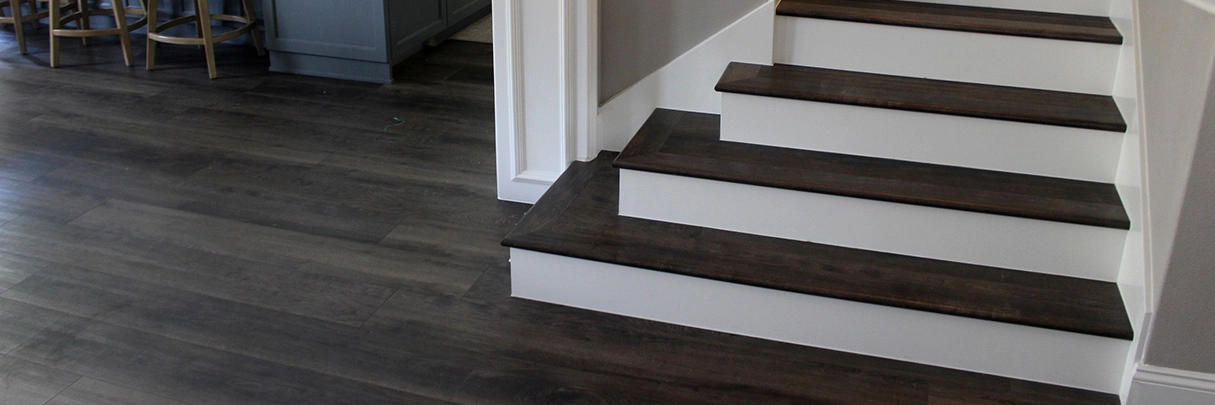
Transforming a carpeted staircase into a sleek, sophisticated wood staircase enhances both durability and aesthetics. The process involves removing the existing carpet and replacing it with the wood flooring of upstairs and downstairs wood flooring project. This upgrade preserves the staircase's structural integrity while dramatically improving its visual appeal. The stair treads and risers are meticulously fitted to ensure a flush transition with the surrounding flooring, creating a polished and cohesive look. Stained stair skirt boards provide an elegant border that frames each step, enhancing the architectural character of the staircase. By installing wood treads over the original stair structure, this renovation eliminates the need for extensive demolition or replacement of stair components such as balusters, newel posts, and handrails. This method not only reduces labor and material costs but also minimizes disruption to the surrounding areas. Available in a variety of wood species, stains, and finishes, this staircase transformation allows for customization that harmonizes with any interior design. Whether opting for a rich, dark stain for a dramatic effect or a lighter wood tone for an airy, modern aesthetic, the result is a staircase that exudes timeless elegance and superior craftsmanship.
Category:
Stairs
copied!
Closed Stairs, Floor Riser with Stained Skirtboard
Transforming a carpeted staircase into a sleek, sophisticated wood staircase enhances both durability and aesthetics. The process involves removing the existing carpet and replacing it with the wood flooring of upstairs and downstairs wood flooring project. This upgrade preserves the staircase's structural integrity while dramatically improving its visual appeal. The stair treads and risers are meticulously fitted to ensure a flush transition with the surrounding flooring, creating a polished and cohesive look. Stained stair skirt boards provide an elegant border that frames each step, enhancing the architectural character of the staircase. By installing wood treads over the original stair structure, this renovation eliminates the need for extensive demolition or replacement of stair components such as balusters, newel posts, and handrails. This method not only reduces labor and material costs but also minimizes disruption to the surrounding areas. Available in a variety of wood species, stains, and finishes, this staircase transformation allows for customization that harmonizes with any interior design. Whether opting for a rich, dark stain for a dramatic effect or a lighter wood tone for an airy, modern aesthetic, the result is a staircase that exudes timeless elegance and superior craftsmanship.